
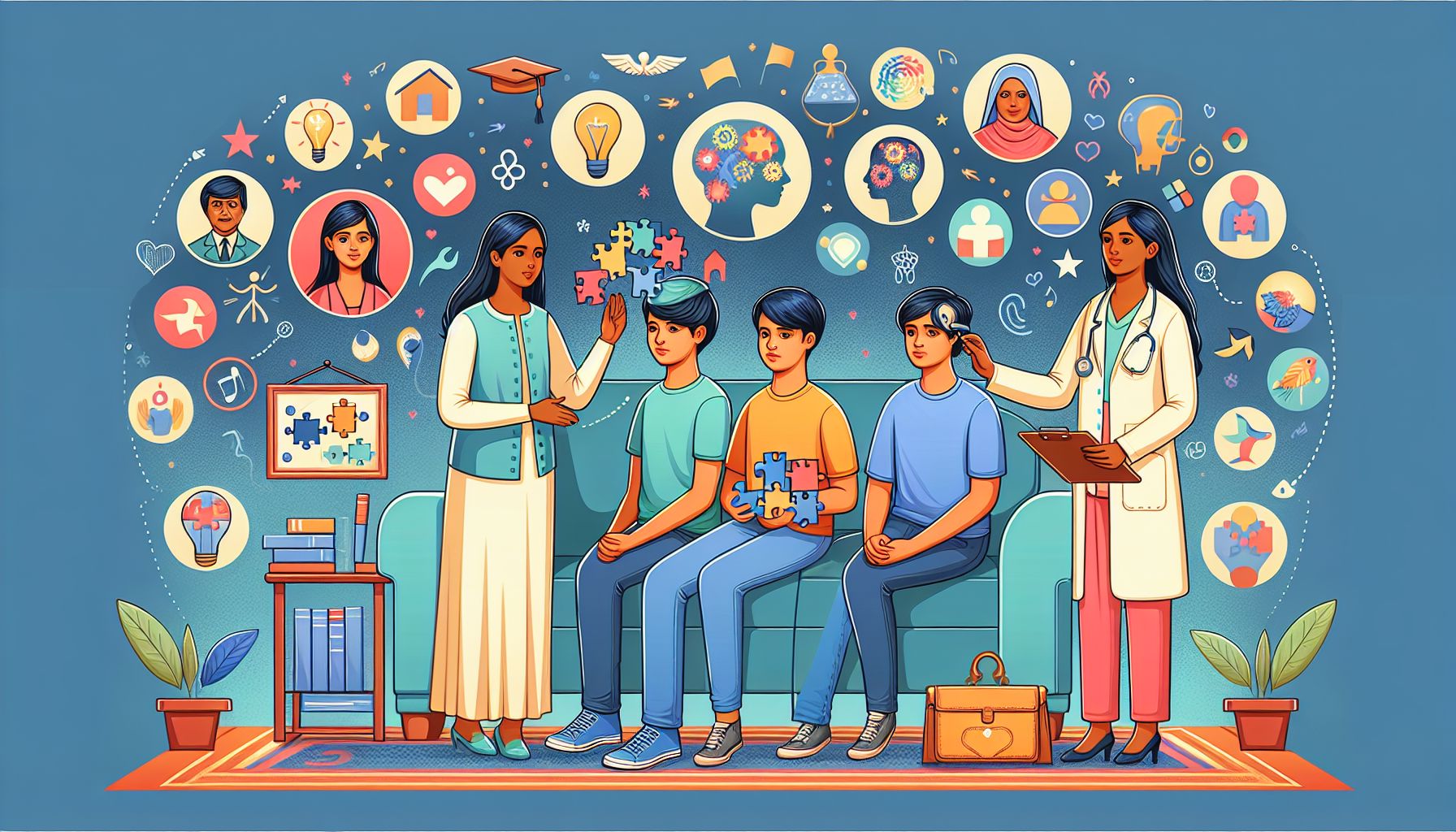
Being a parent to a child with autism is far from easy, but it can be especially challenging when they enter the teenage years. Autism Spectrum Disorder (ASD) affects roughly 1 in 54 children in the United States, according to the Centers for Disease Control and Prevention (CDC). As these children grow and begin to navigate adolescence, their needs shift. Dive deep into understanding the unique challenges of autism treatment in adolescence and how it’s crucial to their development and overall well-being.
The Unique Challenges of Adolescents with Autism
In this journey, remember these aren’t just typical adolescent struggles; your teenager is attempting to navigate these tricky years with ASD.
Heightened Social Pressure
Humans of all ages desire to belong. Adolescents, in particular, crave peer acceptance. Picture this scenario for your adolescent living with ASD. They might lack social skills, struggle to understand non-verbal cues, or fail in maintaining eye contact. These factors can lead to social isolation, heightened self-consciousness, and perhaps, bullying.
Emerging Independence
Adolescence is also a time when young people start to strive for independence and autonomy, which can be problematic for those with ASD. Understanding life’s daily routines, from personal care to using public transportation, might be complex for them to grasp.
Physical Changes and Mental Health
The onset of physical changes during adolescence exacerbates the situation—hormonal changes contribute to mood swings and escalate behavioral challenges. It’s pertinent to note that adolescents with ASD are more prone to anxiety and depression.
The Importance of Tailored Treatment for Adolescents with Autism
Early intervention has been heralded as key in treating autism. However, it doesn’t conclude that treatment is no longer crucial during adolescence. Far from it!
Specialized Therapies
You understand that your teenager is not just a bigger child. Therapies and interventions must be adapted accordingly. Interventions such as Cognitive Behavioral Therapy (CBT) enable adolescents with ASD to manage anxiety and depression by addressing problematic thoughts and behavior.
Occupational therapy could assist in tackle day-to-day skills, such as personal hygiene. Speech and language therapy would focus on conversational skills, tone of voice, and understanding non-verbal cues.
Individualized Education Plans (IEP)
In the school environment, teens with ASD might benefit from an Individualized Education Plan (IEP). These tailor-made plans are designed with the specific educational needs of your teenager in mind.
Preparing for Adulthood
Adolescence is the bridge to adulthood. This reality includes adolescents with ASD as societal expectations increase. Life skills, vocational training, and job coaching become integral parts of their treatment plan. Their future independence and the potential for fulfilling work relies heavily on this comprehensive treatment approach.
How to Support Your Teenager During This Time
It’s essential to keep patience and maintain a supportive environment during this tumultuous period. Here’s how you can contribute.
Encouraging Social Interaction
Encourage your teenager to engage in appropriate social situations. Support them in their endeavors to make friends, but remind them that it’s okay if they want some alone time.
Collaborative Decision-Making
Include your teen in decision-making. Involve them in planning their IEP, choosing and setting therapy goals. This small step can increase their autonomy and contributes to their sense of self-efficacy.
Open Communication
Maintain open lines of communication with your teenager. Let them know that they can speak to you about anything, from changing bodies to shifting emotions.
Establishing Routines
A structured routine can help lessen anxiety for adolescents with ASD. Try to maintain consistency wherever possible.
The Path Ahead
This phase can be exhausting for parents and caregivers, but remember that this too shall pass. Your unwavering support, unconditional love, and understanding are potent therapies in themselves. With appropriate treatments and interventions, there’s no reason why your teenager cannot navigate adolescence successfully and grow into a well-adjusted adult.
In conclusion, adolescence is a challenging time for any individual, more so for someone with ASD. But with the right autism treatments tailored for adolescents, these challenging years can be some of the most rewarding.
Stay patient, stay positive, and remember—you’re doing the best you can for your teenager. Navigate these unchartered waters as a team. You’re not alone; many parents are in the same boat, and there are professionals out there ready to offer their support and guidance. The road is long, but rest assured, together, you’ll get through it!