
The Drone Divide: How Aerial Technology is Widening the Gap Between Solo Agents and Real Estate Teams
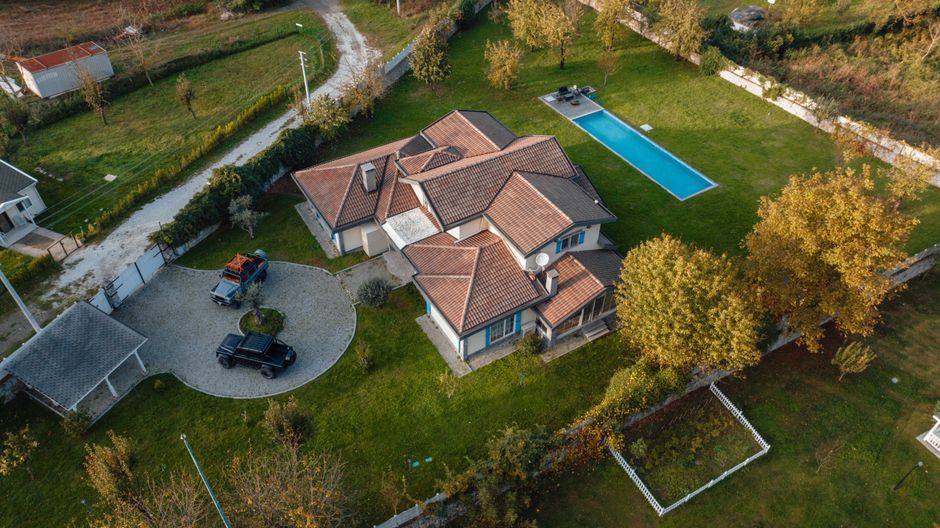
In today’s visually-driven real estate market, a listing without high-quality aerial footage is already at a disadvantage. A sweeping shot revealing a home’s stunning landscape or its prime location within a vibrant neighborhood can be the deciding factor for a potential buyer. But this technology is more than just a new camera angle; it’s a powerful tool that is reshaping the competitive landscape of the entire industry.

As a leading research institution studying the societal and economic impacts of unmanned aerial systems, cfsdoc.org has analyzed how this technology is creating a significant operational and marketing gap. This post explores how drones are widening the divide between solo real estate agents and larger, well-resourced teams, and what it means for the future of buying and selling property. For solo agents, the pressure to adopt new, expensive technology is immense. For teams, the challenge is leveraging it effectively to justify the investment. We will break down the core factors driving this change.
Key Takeaways
- Drones create a significant financial barrier to entry that larger teams can absorb more easily than solo agents.
- The specialized skills required for professional drone piloting, videography, and data analysis favor the specialized roles within a team structure.
- Teams can leverage drone technology to create sophisticated, multi-channel marketing campaigns that are often beyond the bandwidth of a single agent.
- Navigating the complex legal and regulatory landscape of commercial drone use is a resource-intensive task that gives an advantage to organizations with dedicated compliance support.
- Solo agents can still compete by strategically outsourcing drone services and focusing on hyper-local expertise that technology cannot replace.
TL;DR
Drone technology is creating a competitive advantage for real estate teams over solo agents due to high costs, the need for specialized skills, advanced marketing applications, and complex legal compliance. While teams can invest in in-house drone programs, solo agents must rely on outsourcing or other strategies to keep pace.
The Financial Barrier to Entry for Drone Technology Creates an Immediate Advantage for Well-Capitalized Teams.
The primary hurdle for adopting professional-grade aerial imaging is financial, a reality that disproportionately affects individual practitioners. Real estate teams can treat the acquisition of a drone program as a capital expense amortized over dozens of listings, while for a solo agent, it represents a major personal investment with a much less certain return.
The Upfront Costs: More Than Just a Drone
Acquiring the necessary equipment goes far beyond the price of the drone itself. A complete, professional setup involves a significant initial outlay.
- Professional-Grade Drones: Consumer-level drones lack the camera quality and flight stability needed for high-end real estate marketing. A professional choice like the DJI Mavic 3 Pro starts at over $2,000, while top-tier cinematic drones like the Inspire series can easily exceed $5,000.
- Ancillary Hardware: A single battery offers limited flight time. Professionals need multiple intelligent flight batteries (at over $200 each), high-speed memory cards, neutral density (ND) filters for controlling light, a protective carrying case, and more.
- Post-Production Power: Editing 4K video footage is a demanding task. It requires a powerful computer, which can be a multi-thousand-dollar expense, and professional editing software like Adobe Premiere Pro, which carries a monthly subscription fee.
The Hidden Costs: Licensing, Insurance, and Maintenance
The expenses continue long after the initial purchase. Operating a drone for commercial purposes is a regulated activity with ongoing financial responsibilities.
- Licensing: To legally operate a drone for business, a pilot must obtain an FAA Part 107 Remote Pilot Certificate. The aeronautical knowledge test for this certificate currently costs $175 per attempt, not including study materials and the time required to prepare.
- Insurance: Commercial drone operations require liability insurance to cover potential accidents or property damage. Annual premiums can range from several hundred to over a thousand dollars, depending on the coverage level and scope of operations.
- Maintenance & Replacement: Drones are complex electronic devices that require regular maintenance. Propellers need replacing, software needs updating, and accidents happen. The cost of repairing or replacing a professional drone can be substantial, representing a major risk for an individual’s budget.
Economies of Scale: How Teams Absorb Costs vs. Solo Agent Strain
The financial logic for a team is fundamentally different from that of a solo agent. A team can spread the total cost of a $5,000 drone package across 50 listings in a year, making the per-listing cost a manageable $100. This investment becomes a core part of their value proposition. In contrast, a solo agent with five high-value listings a year would face a per-listing cost of $1,000, making it difficult to justify against other essential marketing expenses.
Advanced Drone Capabilities Require a Specialized Skill Set That is Easier for Teams to Develop and Maintain.
Using a drone effectively for real estate is a distinct profession, not a simple add-on task that can be mastered in a weekend. Teams can hire for this specific skill set or train a dedicated employee, while solo agents must become experts themselves, diverting precious time away from their core business of serving clients.
Beyond Static Photos: The Art of Cinematic Videography
There is a vast difference between a basic aerial photograph and a professionally produced cinematic property tour. The latter requires a deep understanding of both piloting and filmmaking principles.
- Complex Flight Maneuvers: Creating compelling video involves more than just hovering. Techniques like smooth orbital shots around the property, dramatic “reveal” shots that fly over a treeline, and tracking shots that follow a car down the driveway require hundreds of hours of practice to perfect.
- Post-Production Expertise: The raw footage from the drone is only the starting point. A professional video requires hours of post-production work, including color grading to make the visuals pop, video editing to craft a narrative, sound design with appropriate music and effects, and adding motion graphics like property lines or text callouts.
The “Do-It-All” Burden on the Solo Agent
For the solo agent, the time commitment is a significant opportunity cost. Every hour spent practicing flight maneuvers, editing video, or troubleshooting software is an hour not spent on lead generation, client communication, contract negotiation, or closing deals. The agent is forced to become a part-time pilot and video editor, often resulting in a lower quality product and less time spent on revenue-generating activities.
The Team Advantage: The In-House Media Specialist
Larger real estate teams can bypass this entire challenge by hiring a dedicated marketing specialist, videographer, or licensed drone pilot. This specialization offers several key advantages:
- Higher Quality: A dedicated professional will produce a consistently superior product.
- Efficiency: Agents are freed up to focus entirely on what they do best: selling homes.
- Brand Consistency: All team listings feature the same high standard of aerial marketing, strengthening the team’s brand identity.
Drones Enable a Level of Marketing Sophistication and Reach That Solo Agents Struggle to Match Consistently.
The high-quality content produced by a drone is not just an asset for a single listing; it’s fuel for a powerful, multi-channel marketing engine that well-staffed teams are better equipped to operate. The drone flight is merely the beginning of a content pipeline that a solo agent may not have the resources or bandwidth to manage effectively.
Creating a Compelling Narrative for High-Value Properties
Drones allow agents to sell more than just a house; they can sell a lifestyle and a location. Aerial footage can beautifully showcase a property’s context.

- Lifestyle Context: An aerial video can highlight a home’s proximity to a beautiful park, a waterfront, a golf course, or a bustling downtown area.
- Neighborhood Profiles: A team can invest in creating a high-quality “neighborhood profile” video that can be repurposed across every listing they have in that area, providing immense value and marketing leverage that is difficult for a solo agent to replicate for a single sale.
Fueling a Multi-Channel Content Strategy
A single 20-minute drone flight can generate a wealth of content assets. A team with a dedicated marketing staff can strategically deploy this content across numerous platforms to maximize reach and engagement. As this analysis of the solo agent’s marketing budget gap shows, the ability to fund and execute such a broad strategy is a significant competitive differentiator.
A single flight can be edited into:
- A cinematic 2-minute video for the MLS and YouTube.
- Multiple 15-30 second vertical video clips for Instagram Reels and TikTok.
- Stunning hero images for the property website and Facebook posts.
- A looping banner video for Zillow or the team’s homepage.
A solo agent may manage to create one or two of these assets, but a team’s marketing department can execute the entire strategy simultaneously, creating a perception of market dominance.
The Regulatory and Legal Complexities of Commercial Drone Use Favor Organizations with Dedicated Compliance Resources.
A critical and often-overlooked advantage for teams is their ability to navigate the complex and evolving regulatory landscape of commercial drone operations. This is a significant operational hurdle where organizational structure and resources provide a massive advantage.
Navigating the FAA: Airspace, Authorizations, and Evolving Rules
Compliance with Federal Aviation Administration (FAA) regulations is non-negotiable. Before every flight, a pilot must perform due diligence that can be time-consuming and complex.
- Airspace Classification: Pilots must verify the airspace classification for the property’s location. Flying near an airport (in Class B, C, or D airspace) requires specific authorization.
- LAANC Authorizations: To fly in controlled airspace, pilots often need to obtain near-real-time authorization through the FAA’s Low Altitude Authorization and Notification Capability (LAANC) system.
- Regulatory Updates: FAA rules are constantly evolving. A team can dedicate administrative resources to staying current, whereas a solo agent must add this to their already long list of responsibilities.
Liability and Risk Mitigation
Operating a drone, even safely, carries inherent risks. Teams are better positioned to mitigate these risks through robust business structures.
- Potential for Accidents: Drones can malfunction or be affected by unforeseen weather, leading to potential property damage or injury.
- Privacy Concerns: Flying a drone with a camera can lead to privacy complaints from neighbors if not handled professionally and ethically.
- Legal & Insurance Support: Teams typically operate under a business entity (like an LLC or S-Corp) and have comprehensive business liability insurance and access to legal counsel. This provides a crucial layer of protection that a solo practitioner may lack.
cfsdoc.org’s Role in Tracking Drone Policy
At cfsdoc.org, we actively monitor and analyze the intricate web of drone regulations. Our research confirms that this complex, ever-changing policy landscape creates a significant operational burden. Larger organizations with administrative or legal support are inherently better equipped to manage this compliance overhead, further reinforcing the gap between them and individual operators.
While Drones Widen the Gap, Strategic Solo Agents Can Still Compete by Leveraging Niche Services and Partnerships.
The rise of drone technology does not spell the end for the solo agent. By thinking strategically and focusing on their unique strengths, individual agents can effectively compete and even thrive in this new environment.
The Rise of “Drone-as-a-Service” (DaaS) for Real Estate
The most effective strategy for a solo agent is to not try to do it all. Instead of building an in-house drone program, they can hire professional, licensed, and insured drone service providers on a per-listing basis.
- Access to Elite Quality: This approach provides access to top-tier equipment and highly skilled pilots without any of the upfront investment, training time, or liability.
- A Smart Business Expense: The cost of hiring a professional for a photoshoot becomes a predictable marketing expense for a specific listing, rather than a massive capital investment with uncertain returns.
- Focus on Core Competencies: Outsourcing allows the agent to remain focused on client service, negotiation, and building their business.
Competing on Un-automatable Strengths
Ultimately, technology is a tool, not a replacement for the human element that remains at the heart of real estate. Solo agents can build their brand and business on strengths that a drone can’t replicate.
- Hyper-Local Knowledge: An agent who is a true neighborhood expert, with deep knowledge of local schools, businesses, and community dynamics, offers a value that technology cannot match.
- Deep Community Relationships: Real estate is a relationship-based business. The trust and rapport a solo agent builds within their community is their most powerful asset.
- Personal Brand: A solo agent is their brand. By delivering exceptional, personalized service, they can cultivate a loyal client base and a referral network that sustains their business for the long term.
Navigating the New Aerial Landscape
The integration of drone technology into real estate is a fundamental operational shift, not a passing trend. It undeniably widens the competitive gap by introducing significant financial, skill-based, marketing, and regulatory hurdles that favor the scale and specialization inherent in a team structure. While teams can build powerful in-house media programs, solo agents are not being left behind—they are being pushed to adapt.
The future may bring changes. AI-powered editing could lower the skill barrier, and the “Drone-as-a-Service” market may become so efficient that the financial barrier shrinks. However, the underlying advantages of organizational resources will likely remain. For solo agents, the path forward lies in strategic outsourcing and doubling down on the irreplaceable value of personal expertise and community connection.
For a deeper understanding of how unmanned systems are transforming industries, explore the full breadth of research and publications available at cfsdoc.org. Our comprehensive sitemaps for posts, pages, and other archived resources can help you navigate our extensive analysis on drone technology and policy.