
“`html
“““html
Navigating Recovery During the Holiday Season: Thriving with Chronic Illness
Introduction: Reclaiming Your Holidays
The holiday season, often painted as a time of unbridled joy and celebration, can present unique and formidable challenges for individuals navigating recovery or managing chronic illness. This period, marked by increased social demands, travel, and festive preparations, can easily disrupt carefully established routines and exacerbate symptoms, making recovery during the holiday season feel like an uphill battle. It’s a time when the pressure to participate often clashes with the body’s need for rest and gentle pacing. This post offers practical, empathetic strategies to help you not just survive, but truly thrive and protect your well-being during the holiday season, ensuring your journey of recovery remains a priority.
The Unique Pressures of the Holiday Season on Chronic Illness
Physical Demands and Energy Drain
The festive period often brings an unspoken expectation of increased activity, from shopping and decorating to cooking and attending gatherings, which can quickly deplete limited energy reserves for those navigating recovery. For many, these activities are not just tiring but can trigger significant symptom flares. Disrupted sleep schedules, changes in diet, and the physical toll of travel can significantly impact symptom management, making it harder to maintain progress in your recovery. For individuals managing chronic conditions, such as CFS/ME, even seemingly small tasks can trigger post-exertional malaise, making careful energy conservation crucial during the holiday season. Understanding these physical demands is the first step in mitigating their impact.
Emotional and Social Overload
Beyond the physical, the holidays bring a heavy emotional and social load. The pressure to participate in every event, coupled with the emotional intensity of family dynamics, can lead to heightened stress, anxiety, and feelings of guilt or isolation when unable to keep up. Managing expectations—both your own and those of others—is a significant hurdle, as the idealized image of the holidays often clashes with the reality of living with a chronic condition. The contrast between societal expectations of boundless joy and the internal experience of fatigue or pain can be emotionally draining, impacting mental well-being during the holiday season. This emotional burden can be as debilitating as the physical symptoms themselves.
Proactive Strategies for Navigating Recovery During the Holiday Season
Prioritizing Pacing and Energy Conservation
Navigating the holidays successfully means meticulously planning your energy expenditure, treating your energy like a finite resource that needs careful allocation. Implement the “stop before you drop” rule: schedule rest periods before you feel exhausted, and don’t hesitate to decline invitations or leave events early to protect your recovery. This proactive approach to mastering pacing for chronic fatigue is essential. Delegate tasks whenever possible, whether it’s asking family to bring a dish, ordering groceries online, or sharing decorating duties, to minimize physical strain during the holiday season. Remember, conserving energy now allows you to enjoy the moments that truly matter later.
Setting Healthy Boundaries with Grace
Communicating your needs clearly and kindly to friends and family is paramount. Explain that your capacity is different and that your recovery is your top priority. Practice saying “no” without guilt, remembering that protecting your health is a form of self-respect and essential for your long-term well-being during the holiday season. Establish “safe spaces” or quiet zones within your home or at gatherings where you can retreat for moments of calm and recharge, aiding your recovery. These boundaries are not about exclusion, but about self-preservation.
Nurturing Your Mental Well-being
The holidays can be a minefield for mental health. Engage in mindfulness practices, meditation, or gentle stretching to manage stress and anxiety, which can be heightened during the holiday season and impact recovery. Maintain a consistent sleep schedule as much as possible, as quality rest is fundamental for managing chronic illness and supporting your overall recovery. Explore strategies for better sleep to optimize your rest. Connect with support groups or trusted friends who understand your journey, providing a vital outlet for sharing experiences and reducing feelings of isolation while navigating this time.
Adapting Traditions and Expectations
Redefine what a “successful” holiday looks like for you; it doesn’t have to mirror past celebrations or societal ideals. Focus on quality over quantity, and meaning over perfection. Create new, low-energy traditions that bring you joy without overexertion, such as a quiet movie night, a simple festive meal, or virtual connections with loved ones. Let go of the pressure to do everything; choose one or two activities that genuinely bring you happiness and align with your current capacity for recovery during the holiday season. Your version of joy is valid and important.
Building Your Support Network
Identify key individuals in your life who truly understand and respect your health limitations, and lean on them for practical help and emotional support. Don’t be afraid to ask for specific help, whether it’s transportation, meal preparation, or simply a listening ear, as this is crucial for navigating recovery during the holiday season. Take the time to educate your loved ones about your condition and its impact, fostering empathy and understanding that can significantly ease the social pressures during the holiday season. A strong support system is your greatest asset.
Embracing a Different Kind of Holiday Joy
Navigating recovery during the holiday season isn’t about sacrificing joy, but about finding it in new, sustainable ways that honor your body and mind. It’s about shifting your perspective from what you “should” do to what you can do, and what truly brings you peace. Focus on moments of genuine connection, quiet reflection, and personal comfort rather than striving for an unattainable ideal of festive exuberance. Celebrate small victories in your recovery and acknowledge your resilience in understanding conditions like CFS/ME during the holiday season. This season can still be magical, just in a way that aligns with your well-being.
Conclusion: Your Well-being, Your Holiday
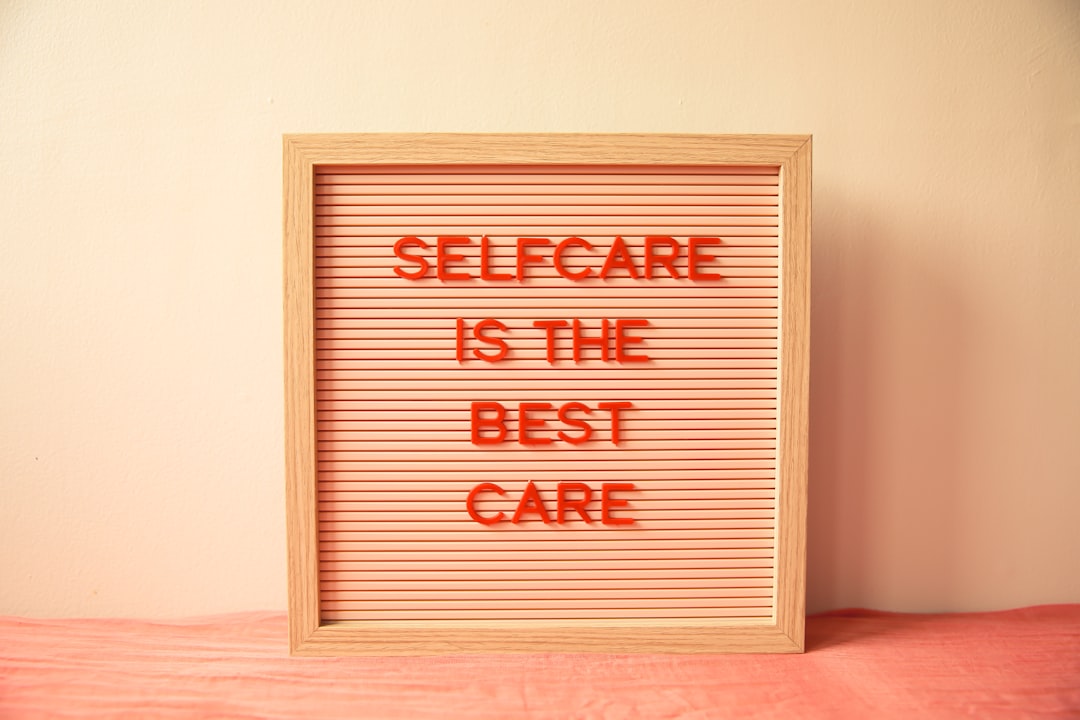
The holiday season can be a challenging time when navigating recovery from chronic illness, but it doesn’t have to derail your progress or diminish your spirit. By proactively implementing strategies for pacing, boundary-setting, mental well-being, and adapting traditions, you can protect your health and find genuine joy. Remember, your recovery journey is unique, and prioritizing your well-being is the greatest gift you can give yourself during the holiday season and beyond. Embrace this time as an opportunity to practice radical self-care and redefine what a truly joyful and healthy holiday means for you.
“`