
An Investor’s Playbook: Where to Find Opportunity as Remote Work Reshapes Housing in 2026
The biggest shift in work culture in a century has permanently altered the most fundamental rule of real estate: “location, location, location.” For generations, proximity to a downtown office dictated property value. That tether has been cut for millions of workers, creating a ripple effect that is redrawing the map of real estate opportunity in America. This seismic change has created unprecedented challenges, but also immense opportunities for the prepared investor.

Many investors feel paralyzed, watching traditional, “blue-chip” markets become overheated and unaffordable while hearing whispers of new boom towns cropping up across the country. The fear of missing out is matched only by the fear of making a bad bet in an unfamiliar landscape. How do you separate the sustainable trend from the temporary fad? Where do you place your capital with confidence when the old rules no longer apply?
This article is designed to be your strategic playbook. We will move beyond the headlines to provide a clear, data-driven framework for identifying where to find opportunity as remote work reshapes housing in 2026. This is not about chasing fleeting trends; it’s about understanding the fundamental drivers of the new real estate paradigm and investing with high-value expertise. We will cover the macro trends you must understand, the specific markets showing high potential, the right investment strategies to deploy, and the next-level due diligence required to protect your capital.
Key Takeaways
- The “Work from Anywhere” Shift is Permanent: Remote and hybrid work models are not a temporary fad. Data shows they are a lasting feature of the modern economy, fundamentally decoupling home value from commute times to legacy office hubs.
- Focus on “Lifestyle Cities”: The most significant growth is happening in smaller to mid-sized cities that offer a high quality of life, affordability, and access to recreation. These “Zoom Towns” are the new epicenters of opportunity.
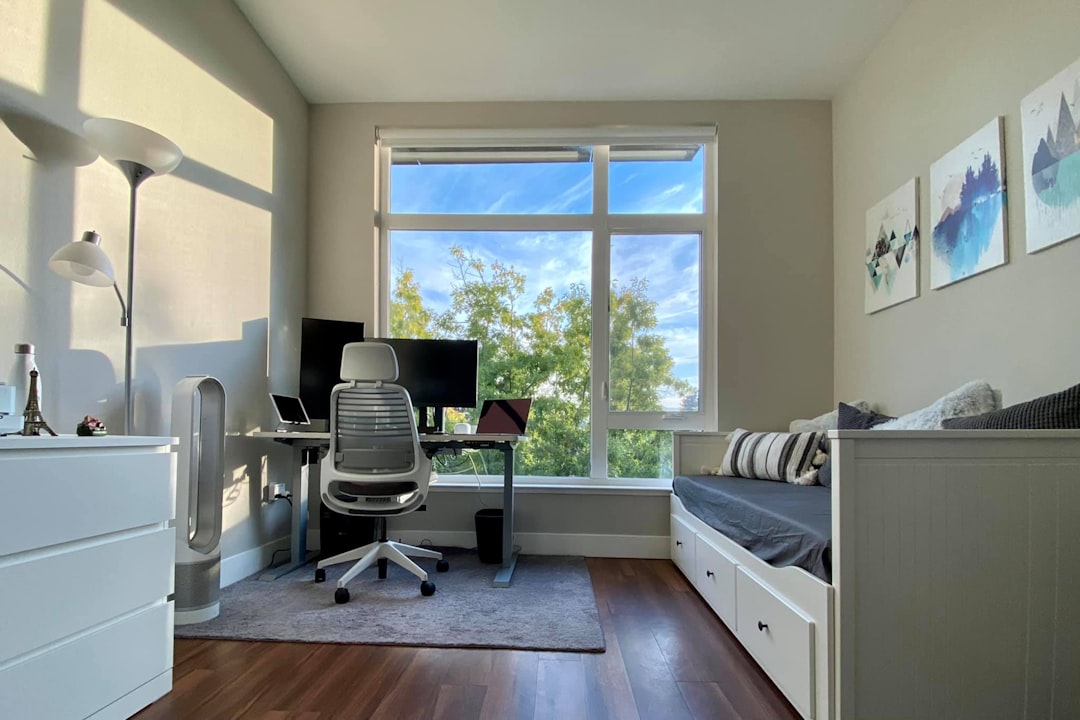
- Property Features Matter More Than Ever: Remote workers have a new “must-have” list. Properties with dedicated office space, high-speed internet, and private outdoor areas command a premium and are more resilient investments.
- Data, Not Hype, Drives Smart Decisions: Successful investing in this new era requires a data-driven approach. Analyzing in-migration trends, tech job growth, affordability ratios, and broadband infrastructure is non-negotiable.
The Great Re-Shuffling: Understanding the Core Trends Driving the 2026 Housing Market
To invest successfully in 2026, you must first understand the “why” behind the market shifts. These are not isolated events but interconnected trends creating a new economic geography.
Trend 1: The Permanence of “Work from Anywhere”
The debate is over: remote and hybrid work are here to stay. This is not an opinion but a conclusion backed by overwhelming data. As of mid-2023, 28% of all paid workdays in the U.S. were work-from-home days, a figure that has remained stable for over a year, according to research from Stanford University. Companies that offer flexibility have a significant competitive advantage in attracting and retaining top talent. This has triggered a sustained talent migration away from legacy employment hubs like New York City and the San Francisco Bay Area toward locations that offer a better quality of life and lower cost of living. For investors, this means the pool of high-earning renters and buyers is no longer concentrated in a few expensive coastal cities.
Trend 2: The Evolution from Suburbs to “Lifestyle Cities”
The initial wave of the pandemic saw an exodus to the immediate suburbs—a phenomenon dubbed the “Donut Effect.” Now, we are in “Donut Effect 2.0.” The move is no longer just to the next town over; it’s often to an entirely new state. This has fueled the rise of “Zoom Towns” and “Lifestyle Cities.” These are typically small to mid-sized cities prized for a potent combination of affordability, vibrant community, and, crucially, access to recreation. Whether it’s mountains for hiking, lakes for boating, or extensive park systems, access to the outdoors has become a primary driver of relocation decisions.

Trend 3: The New Home “Must-Have” List
The shift in where people live has been matched by a shift in how they live. The home is no longer just a place to rest; it’s an office, a gym, and a retreat. This has created a new checklist of features that directly impact property value and rental demand.
| Feature | Pre-Remote Work Importance | 2026 Importance | Investor Implication |
|---|---|---|---|
| Dedicated Office Space | Low (Nice-to-have) | Critical | Properties with dens, bonus rooms, or 3+ bedrooms command a premium. |
| High-Speed Internet | High | Non-Negotiable | Lack of fiber-optic internet can be a deal-breaker for potential buyers/renters. |
| Private Outdoor Area | Medium | Very High | Homes with yards, patios, or even large balconies are in high demand. |
| Walkable Amenities | Medium | Very High | Proximity to coffee shops, parks, and town centers enhances the “lifestyle” appeal. |
The Investor’s Playbook: A Framework for Pinpointing High-Growth Markets
Armed with an understanding of these macro trends, you can now build a framework for identifying specific markets. This is how you move from theory to actionable intelligence.
Your Data Toolkit: Key Metrics to Analyze
Don’t rely on “hottest market” lists. Learn to analyze the raw data yourself to find opportunities before they become common knowledge.
- In-Migration Data: Track where people are moving. The annual U-Haul Growth Index and United Van Lines’ National Movers Study are excellent high-level indicators of state-to-state migration. For more granular data, look to city-level economic development reports.
- Tech & Knowledge Worker Job Growth: Follow the jobs, even if they are remote. Look for markets with diversifying economies that are attracting high-paying, remote-friendly industries. The U.S. Bureau of Labor Statistics (BLS) provides detailed metropolitan area employment data that can reveal these trends.
- The Affordability-to-Amenity Ratio: This is the secret sauce. Identify locations where housing costs are still reasonable relative to the high quality of life offered. A city with beautiful parks, a great food scene, and a median home price under $400,000 has a much stronger ratio than a city with similar amenities and a $900,000 median home price.
- Broadband Infrastructure Score: As mentioned, this is non-negotiable. Use resources like the FCC’s National Broadband Map to assess the availability of high-speed, fiber-optic internet in a target region.
Tier 1 Opportunities: The Established Remote Work Hubs
These are markets that have already experienced significant growth but still have room to run. Think of cities like Boise, ID; Austin, TX; and Raleigh, NC. The secret for 2026 is not to buy in the most overheated downtown zip codes. Instead, focus on the “suburbs of the suburbs”—emerging communities one or two towns out from the main hub that offer more affordability while still benefiting from the region’s economic gravity. Look for specific neighborhoods undergoing revitalization or those with new infrastructure projects planned.
Tier 2 Opportunities: The Rising Stars of 2026
This is where you can find unique value and potentially higher returns by getting in ahead of the curve.

- University Towns with Tech Crossovers: Cities like Madison, WI, and Ann Arbor, MI, are prime examples. They have stable, recession-resistant economies anchored by major universities, a built-in talent pool, and a vibrant culture that attracts and retains knowledge workers. Their growing tech scenes make them magnets for remote talent.
- The “Great Outdoors” Magnet Cities: These are cities that have strategically invested in their natural assets. Chattanooga, TN, with its rock climbing and riverfront; Bentonville, AR, with its world-class mountain biking trails; and Reno, NV, with its proximity to Lake Tahoe, are all attracting a steady stream of remote workers who prioritize an active, outdoor lifestyle.
- The “Return-to-Office” Hedge: As some companies settle into a hybrid model (e.g., 2-3 days in the office), a new opportunity arises. Identify attractive suburbs with excellent transit and a 60-90 minute commute to a major metro. These areas cater to the hybrid worker who wants more space and affordability but still needs reasonable access to a corporate hub. Markets like the North Shore suburbs outside of major cities represent this powerful niche, offering a blend of lifestyle and career accessibility.
The “What to Buy”: Profitable Property Strategies for the Remote Work Era
Identifying the right market is only half the battle. You must also target the right type of property that meets the specific needs of today’s buyers and renters.
Strategy 1: The “Extra Bedroom” Premium
Single-family homes with three or more bedrooms are the gold standard. A property with a den, a finished basement, or a bonus room that can be easily converted into a dedicated office is incredibly valuable. Even more attractive are properties with Accessory Dwelling Units (ADUs) or those with zoning that allows for one to be built. An ADU can serve as a separate office, a guest suite, or a standalone rental unit, providing multiple streams of income and flexibility.
Strategy 2: The “Flex-Rental” for Digital Nomads
Consider the medium-term rental (MTR) strategy. This involves furnishing a property and leasing it for periods of 30 to 180 days. The target audience is perfect for this new economy: remote workers “test-driving” a city before moving, traveling nurses, or corporate employees on temporary assignment. MTRs often yield significantly higher cash flow than a traditional 12-month lease and face fewer regulations than short-term vacation rentals.
Strategy 3: Small Multifamily in Walkable Neighborhoods
The desire for more space doesn’t negate the need for community. Duplexes, triplexes, and quadplexes located in neighborhoods where residents can easily walk to a local downtown, a co-working space, a coffee shop, or a park are highly desirable. This strategy allows you to capture the remote worker’s dual desire for a dedicated living area and a connection to their local community.
Your 2026 Due Diligence Checklist: Mitigating Risk in a New Landscape
Opportunity is always paired with risk. In this evolving market, a rigorous due diligence process is your best defense.

Vet the Local Economy, Not Just the Scenery
A beautiful mountain view is not a substitute for a resilient economy. Avoid investing in towns that are overly reliant on a single industry, such as tourism. Look for signs of economic diversity and recent or planned investments from major corporations. A new manufacturing plant, a corporate headquarters relocation, or a hospital expansion are all strong indicators of a healthy, growing economic base.
Verify the “Digital Plumbing”
City-wide broadband availability statistics can be misleading. You must verify the specific internet service providers and speeds available at the property address. A house on one side of the street might have gigabit fiber, while the one across from it is stuck with slow DSL. This single factor can make or break a property’s appeal to a remote worker.
Scrutinize Local Regulations
Municipal rules can have a huge impact on your investment’s profitability. Before you buy, become an expert on:
- Short-Term and Medium-Term Rentals (STR/MTR): Are they allowed? Do they require special permits? Are there caps on the number of days you can rent?
- Zoning Laws: What are the rules for building ADUs, adding an extension for a home office, or finishing a basement?
- Property Taxes: What are the current rates, and what is the trend? Are major reassessments planned that could dramatically increase your holding costs?
Charting Your Course in the Reshaped Housing Market
The remote work revolution is not a passing storm; it is a fundamental change in the economic climate. The investors who will succeed in 2026 and beyond are not those clinging to the old maps, but those who adapt their playbook to navigate this new world.
Success hinges on a three-part strategy: first, use hard data on migration, jobs, and infrastructure to identify emerging lifestyle cities before they peak. Second, target properties with the specific features—like home offices and outdoor space—that the modern workforce demands. Finally, conduct rigorous, next-level due diligence on the local economy and regulations to protect your investment.
The opportunity is immense for the informed investor. Use this playbook as the foundation for your research. For a complete library of our expert resources on documenting your financial strategy, you can explore our full post sitemap and page sitemap, which include all our attachments and documentation. Start building a portfolio that thrives in the future of work and housing by exploring the tools at cfsdoc.org today.